Japan consists of four main islands—Hokkaido, Honshu, Shikoku, and Kyushu—stretching from north to south.
Farther south lies Okinawa, a chain of tropical islands. The country has around 80 active volcanoes and is one of the most heavily forested developed nations, with mountains covering over 70% of its land. Major cities are concentrated in the flat lowlands of Honshu, while the surrounding mountainous regions remain sparsely populated.
Japan’s extensive domestic air, rail, and road networks make traveling throughout the country efficient and comfortable. Plan to spend at least a week in any region you want to explore. By considering your interests and the season of your visit, you can put together a Japan adventure perfectly suited to you.
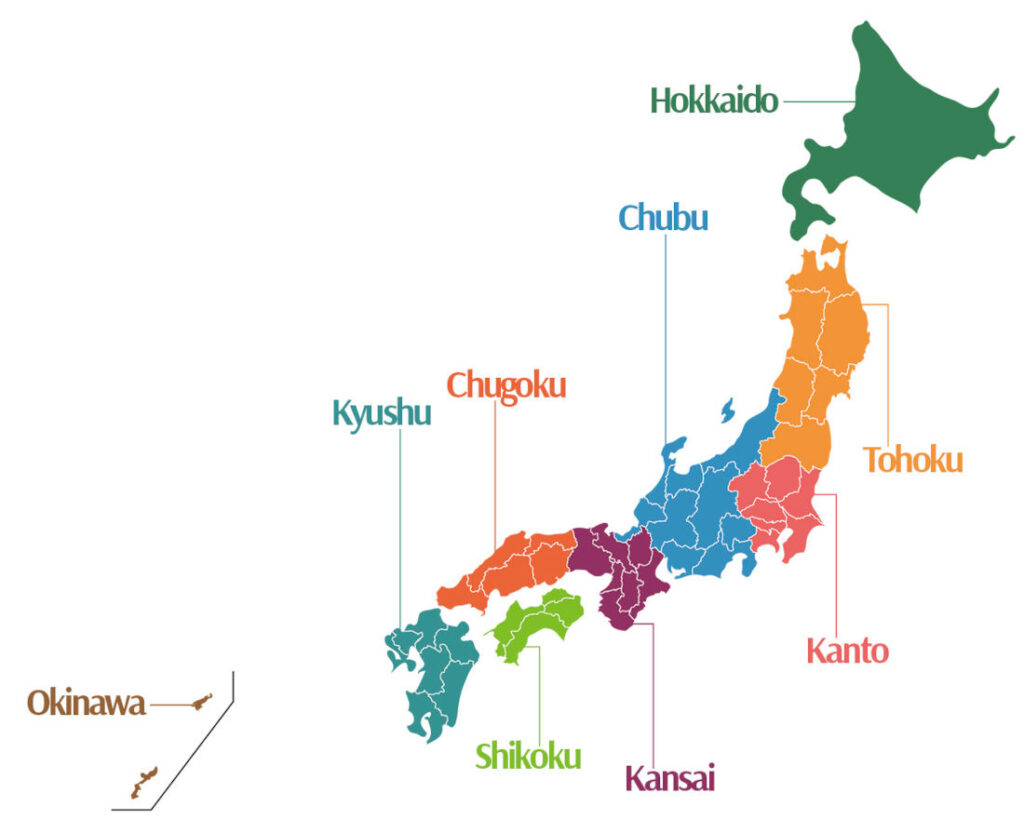
Hokkaido | Northern Honshu
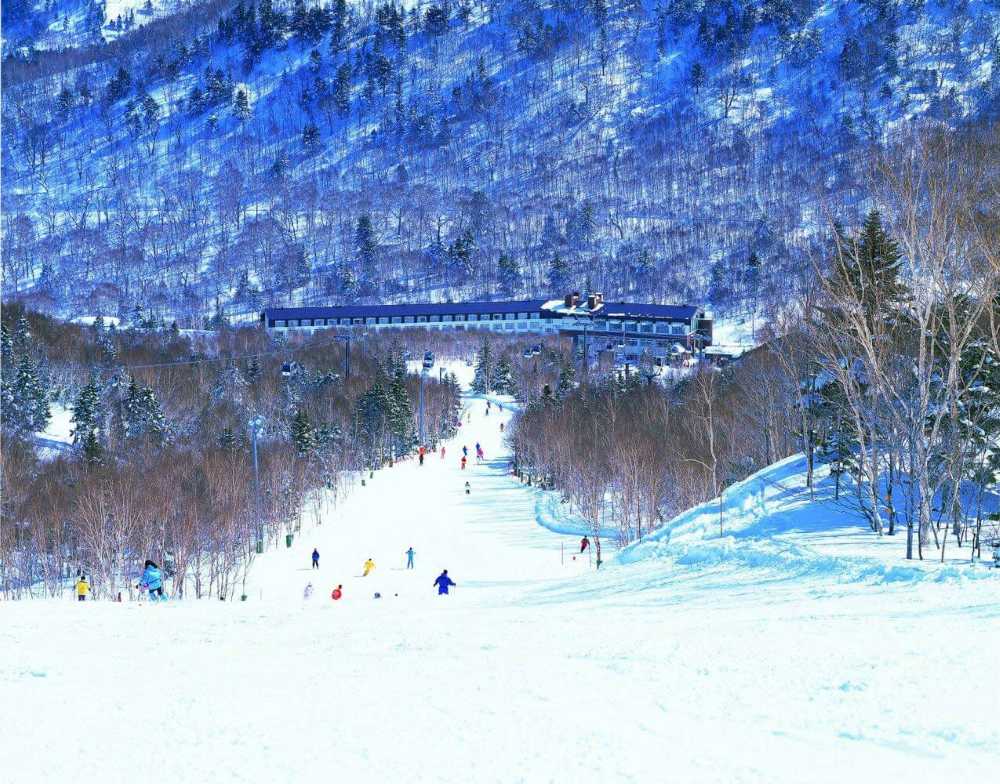
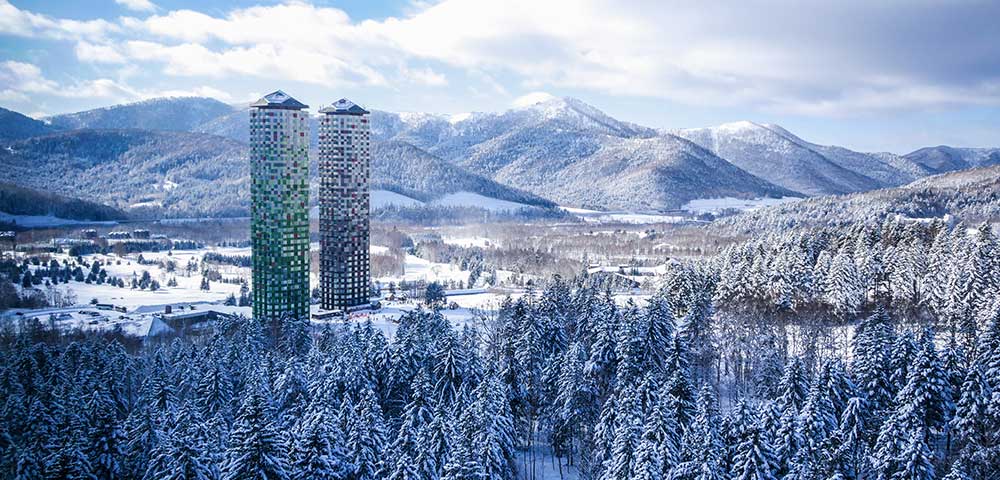
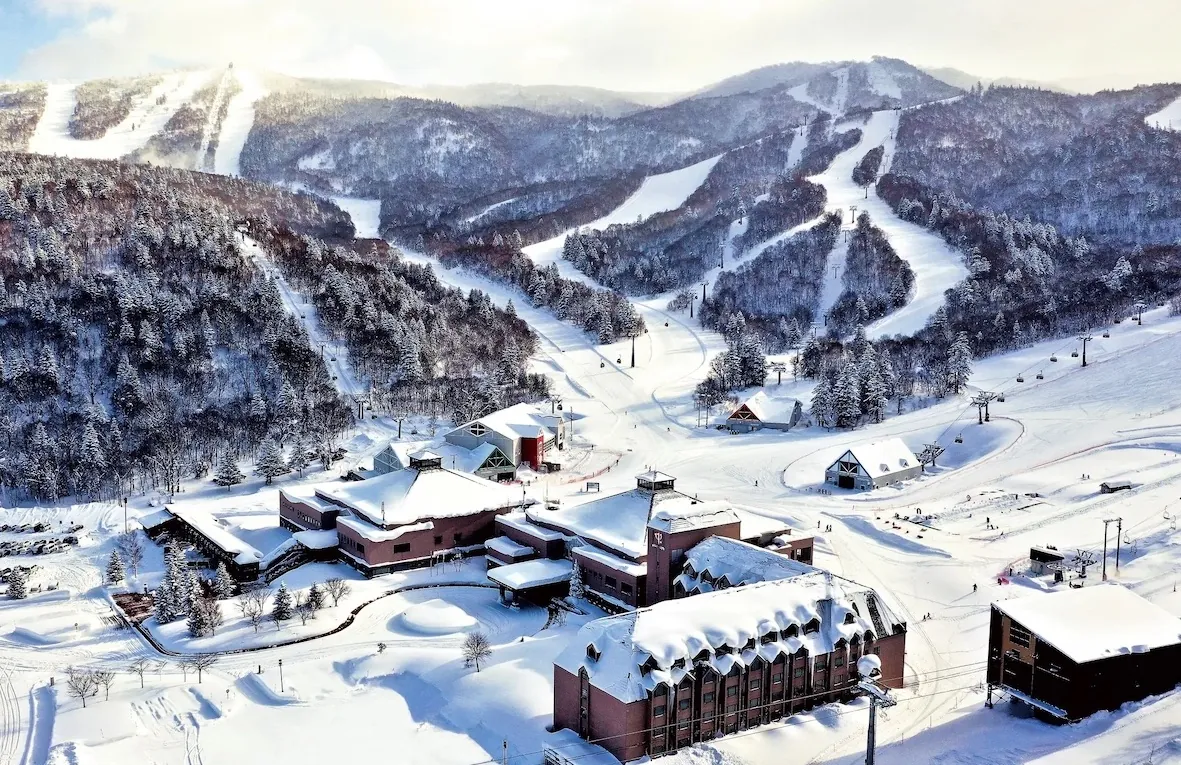
If you love hot springs, nature, great food, and avoiding crowds, Hokkaido—the northernmost of Japan’s main islands—is an ideal destination.
The island is rich in agricultural land, untouched forests, lakes, coastline, and of course, hot springs. Hokkaido is renowned for its seafood and farm-fresh produce, best enjoyed at an onsen ryokan, a traditional hot spring inn that includes elaborate seasonal meals. Outdoor enthusiasts will find endless opportunities for hiking, kayaking, skiing, and more. It’s the perfect place to escape the bustle of big cities, though Sapporo offers an easy dose of urban energy when you want it.
Northern Honshu shares a climate more similar to Hokkaido than to central or southwestern Honshu, and it also provides abundant natural scenery and outdoor activities.
Central Honshu
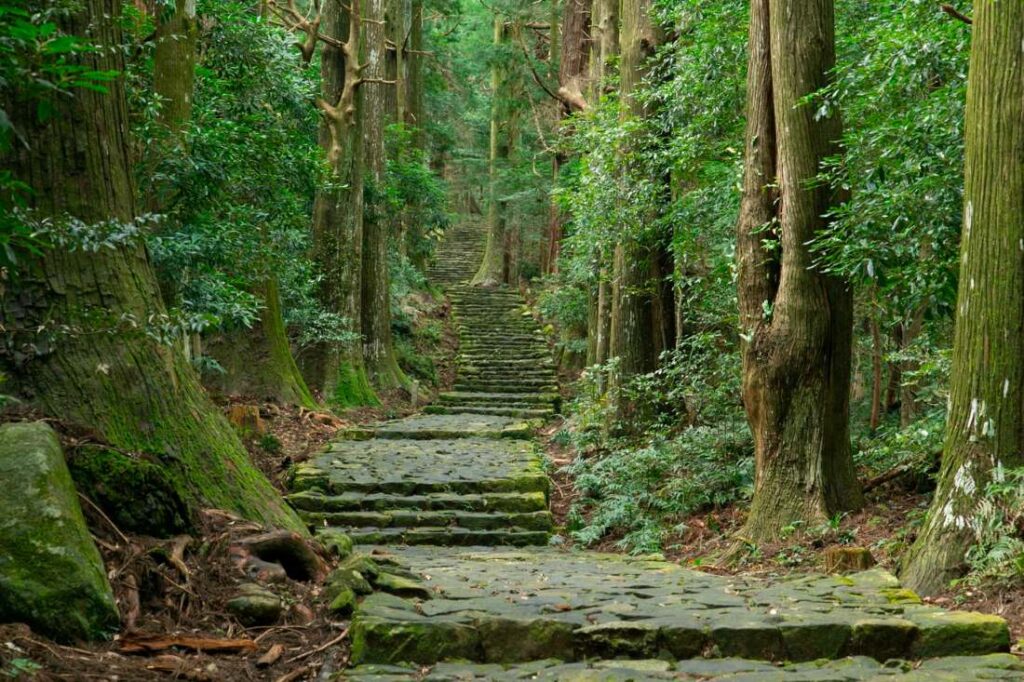
Central Honshu is home to Japan’s highest concentration of iconic sights, including the bustling cities of Tokyo, Kyoto, Osaka, and more. For anyone interested in traditional Japanese arts and culture, this region is a must-visit.
Kyoto, the ancient capital, boasts over 2,000 temples and shrines and is a treasure trove of history. Tokyo, the heart of the world’s largest metropolitan area, offers endless shopping, dining, and nightlife, alongside a more traditional side that reflects Japan’s heritage.
Even within Honshu, rural escapes are never far away. Hot springs, mountains, and countryside retreats are just a few hours from the major cities. Japan’s legendary bullet trains run along the coast from Tokyo southwest to Fukuoka at the northern tip of Kyushu, making travel fast and convenient.
Central Honshu is also the most densely populated part of the country, so consider visiting another region as well to experience the peaceful serenity that Japanese culture is known for.
Western Honshu | Shikoku | Kyushu
Hiroshima, in western Honshu, is historically significant as the site where the first atomic bomb was dropped. Just two hours from Kyoto by bullet train, Hiroshima can be visited on a day trip, though spending a few nights allows you to fully explore the city and nearby attractions like Miyajima Island. Overall, western Honshu is less crowded, more relaxed, and warmer than the eastern part of the island.
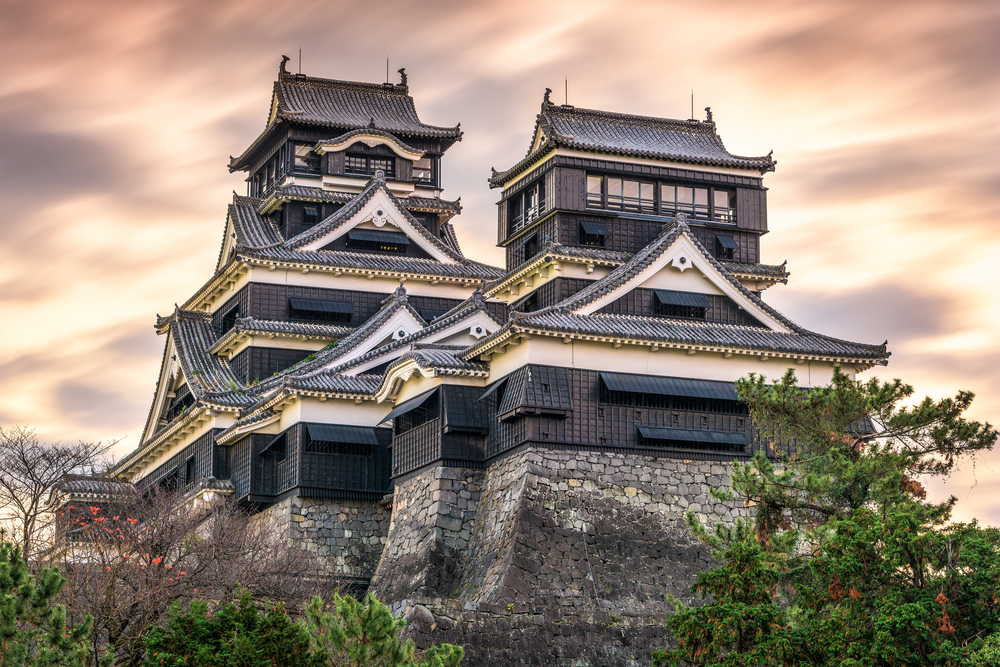
Shikoku, Japan’s smallest main island, is rural and traditional, with quaint mountain towns that make it perfect for a quiet retreat. It is also renowned across Japan for serving some of the best udon noodles.
Kyushu is a diverse island with vibrant, welcoming cities, numerous volcanoes—including Sakurajima, accessible as a day trip from Kagoshima—hot springs, and outstanding regional cuisine. Travel on Shikoku and Kyushu can take longer than on Honshu, but the journeys are scenic and immensely rewarding.
Okinawa
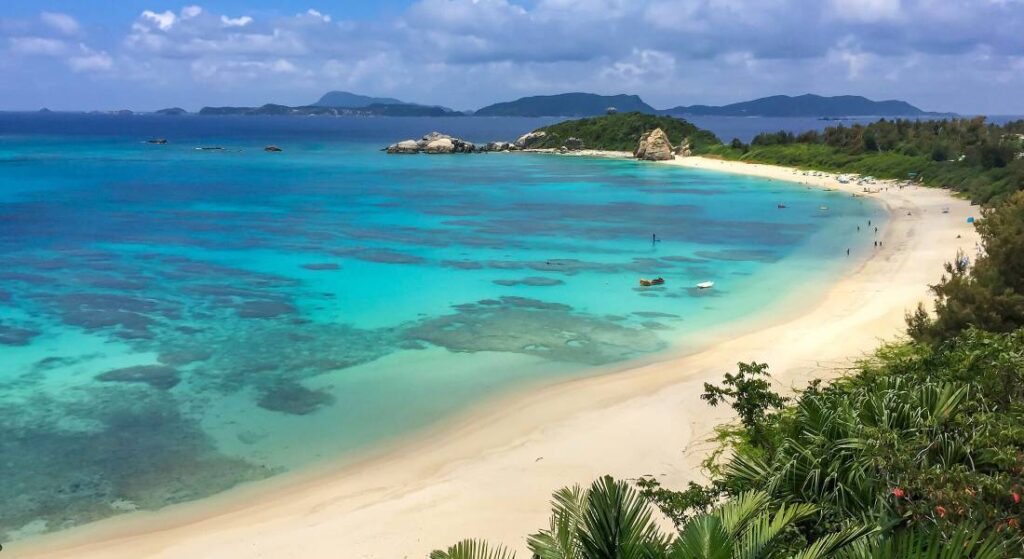
Okinawa offers a unique blend of Japanese and native island culture, with abundant sunshine and distinctive local cuisine.
Japan’s tropical getaway, Okinawa is made up of hundreds of islands. Multiple domestic flights connect Okinawa’s airports with destinations across Japan.
Naha, the largest city on the main island, has a vibrant dining and nightlife scene, but the true charm lies in the outer islands. Frequent ferries make island-hopping both enjoyable and easy.
The islands are a paradise for water enthusiasts, with excellent snorkeling and scuba diving opportunities. Miyakojima (Miyako Island) is particularly famous for its stunning coral reefs and encounters with larger marine life, including manta rays.