Sample Itinerary
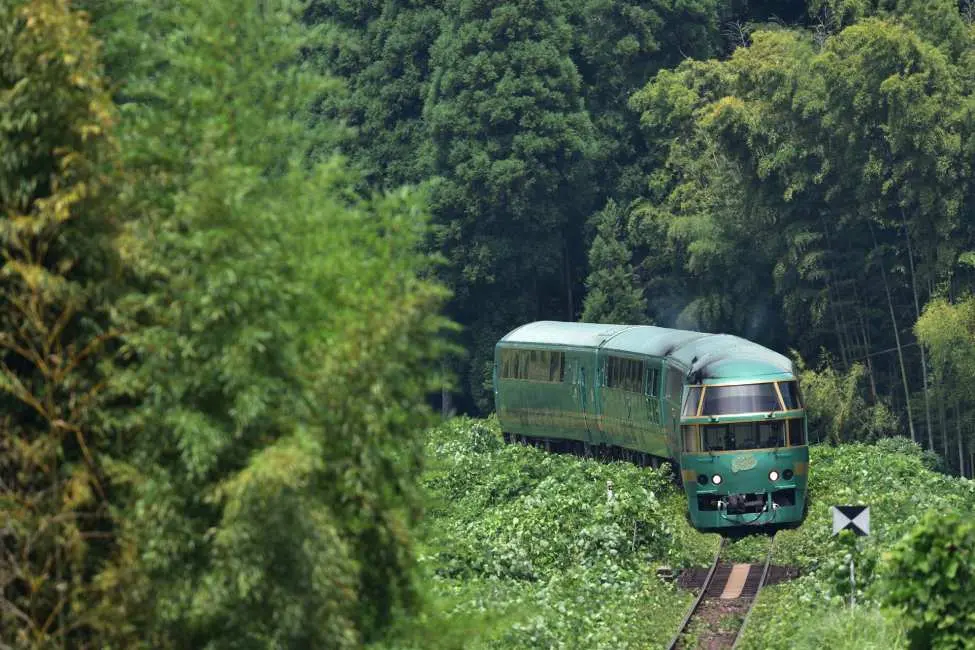
Depart Hakata Station, Fukuoka on the Yufuin no Mori or take the Sonic (limited express train) across the top of Kyushu.
The Yufuin no Mori is one of Kyushu’s most iconic sightseeing trains, designed to turn the journey itself into a highlight. Meaning “Forest of Yufuin”, this distinctive green train travels between Fukuoka and Yufuin, winding through lush countryside, rivers and mountain landscapes that feel a world away from the city.
Inside, the experience is warm and relaxed, with timber interiors, large picture windows and spacious seating that invites you to slow down and enjoy the view. Lunch is available for purchase onboard.
Arrive JR Beppu Station and transfer to your accommodation (2-night stay).
Beppu offers a diverse selection of accommodation, ranging from luxury resorts and contemporary boutique hotels to traditional ryokan. There are two primary areas to consider when choosing where to stay:
- Downtown - surrounding Beppu Station is a lively and welcoming area, with a mix of shopping arcades, izakaya pubs, and local restaurants showcasing Oita’s food culture. Many hotels in this area are built along the waterfront.
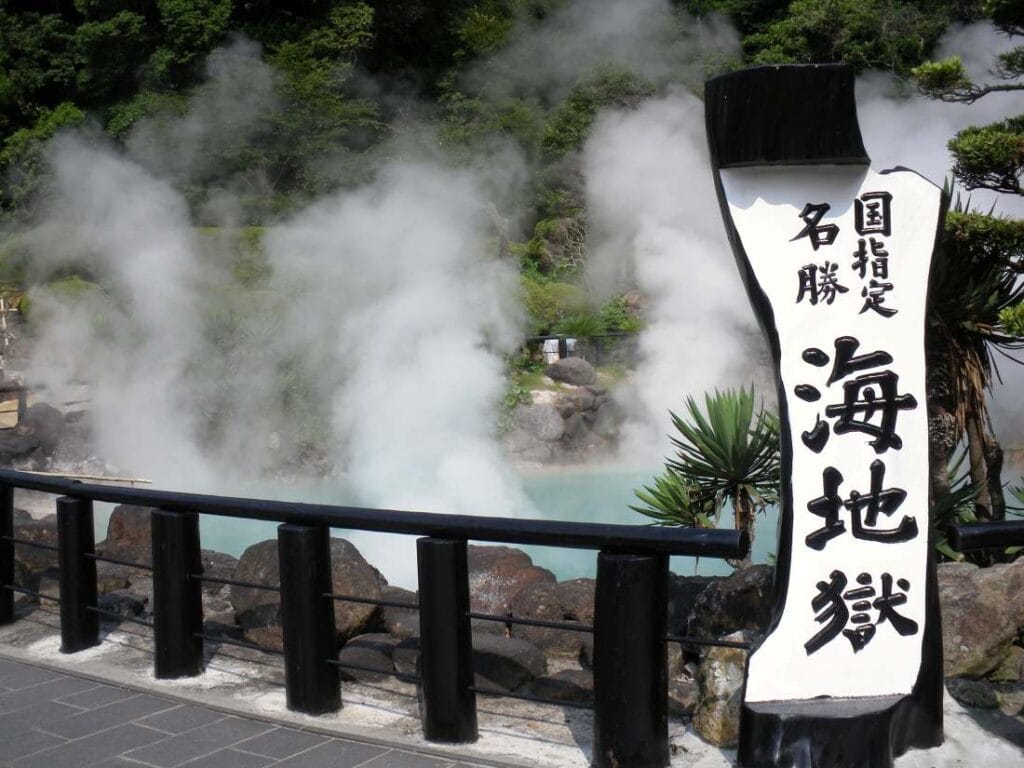
- Kannawa - one of Beppu’s most atmospheric hot spring districts, famous for its streets filled with rising steam vents. 15 min drive from Beppu JR Station and walking distance to the Hells.
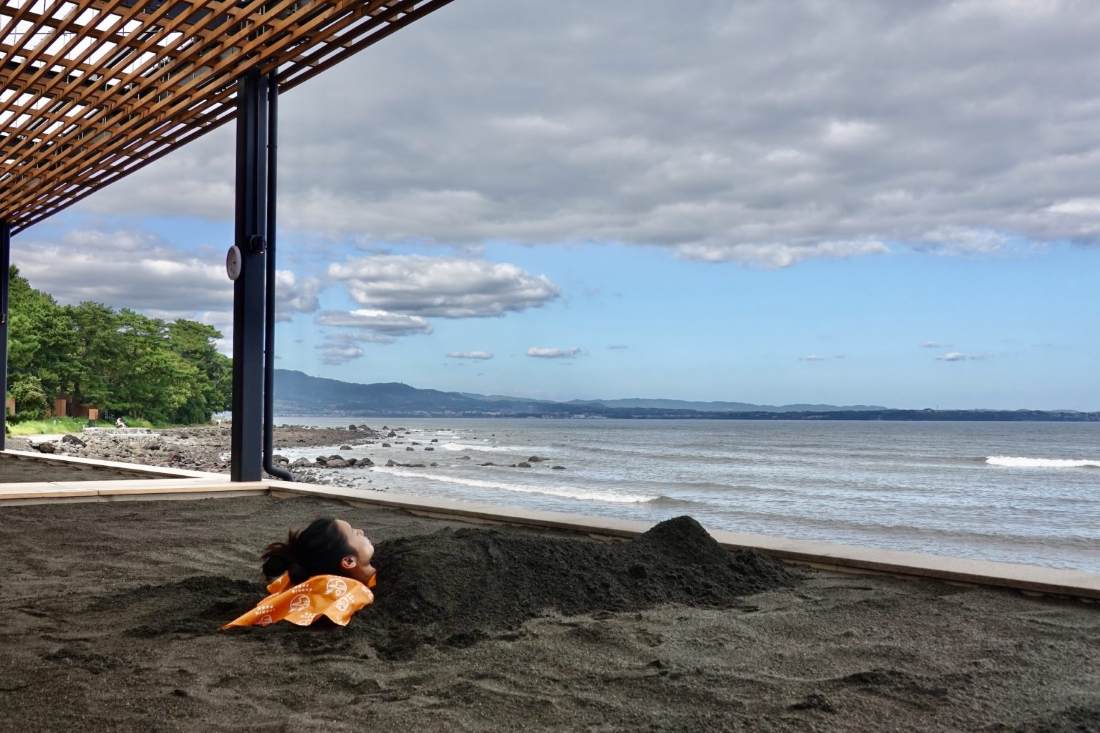
Upon arrive, drop your luggage at your accommodation - it’s time for your first of many wellness experiences in Beppu, a relaxing sand bath.
Make your way to Shonin Park via a scenic 4 km waterfront walk from downtown Beppu, or take a local train from JR Beppu Station to Beppudaigaku Station.
Beppu’s sand bathing tradition dates back more than a century.
Shonin Park features a reimagined sand bath experience alongside accommodation, dining and boutique retail spaces.
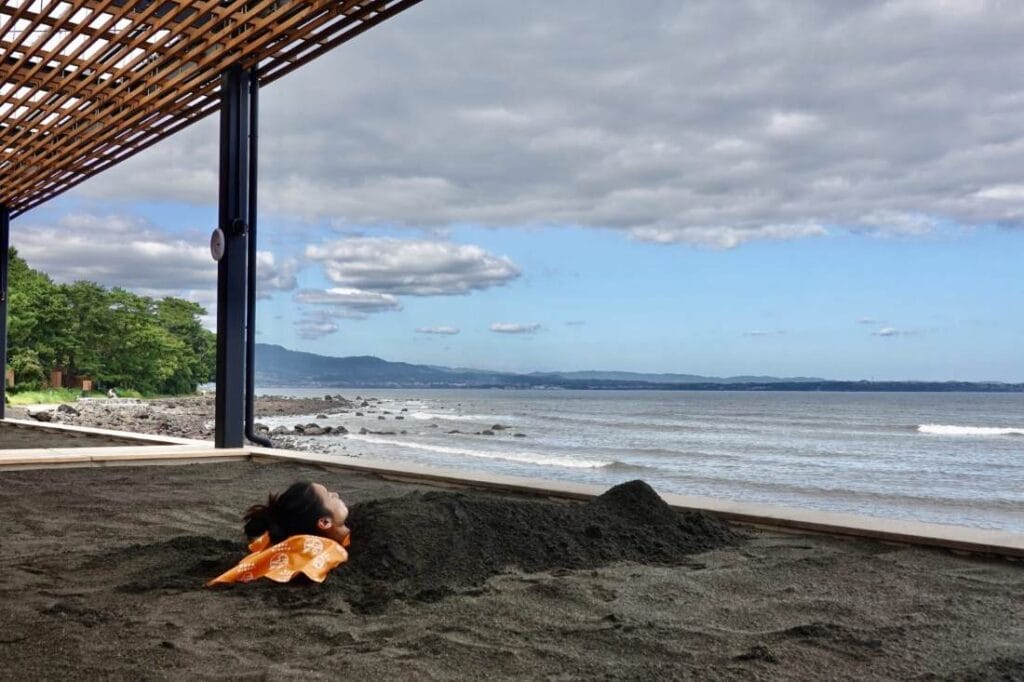
On arrival, change into the cotton robe provided and lie back in naturally heated sand as the staff gently cover you. Relax to the sound of waves rolling onto the shore, then rinse off with a soothing onsen bath. Finish with a refreshing drink before heading back to your hotel.
Evening
Experience Beppu’s vibrant evening food scene on a locally guided tour.
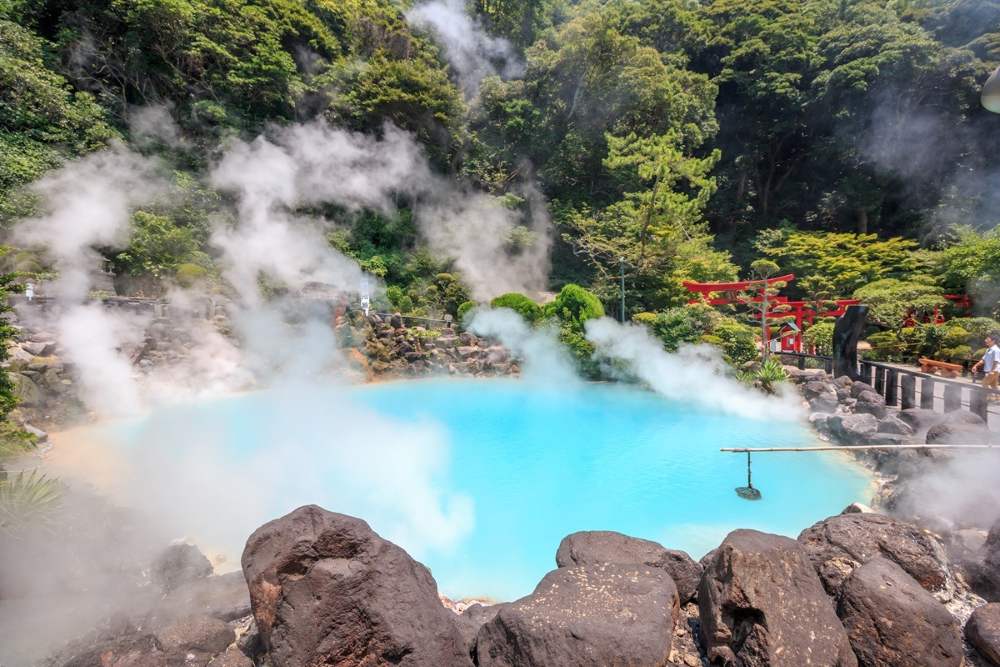
Visit Dazaifu, one of Japan’s most historically significant and respected shrine towns, before This morning, explore the Kannawa District, the historic heart of Beppu, where onsen culture is woven into daily life. As you wander the narrow streets, clouds of steam drift from natural vents, creating an atmosphere that feels timeless and unmistakably Beppu.
Attractions include:
Jigoku Onsen Museum - the museum offers interactive exhibits on the geology and rich history of onsen culture in Beppu. Visitors can retrace the 50-year underground journey rainwater takes as it transforms into hot spring water. It also delves into the distinctive way of life that locals coexist with the hot springs. Their onsite cafe is also renowned for serving great coffee!
Yukemuri Observatory - more closely resembling a viewing platform than an observatory, this location offers a panoramic lookout over Kannawa Onsen, where plumes of steam rise continuously from rooftops and bathhouses below. It’s one of Beppu’s most atmospheric and photogenic views.
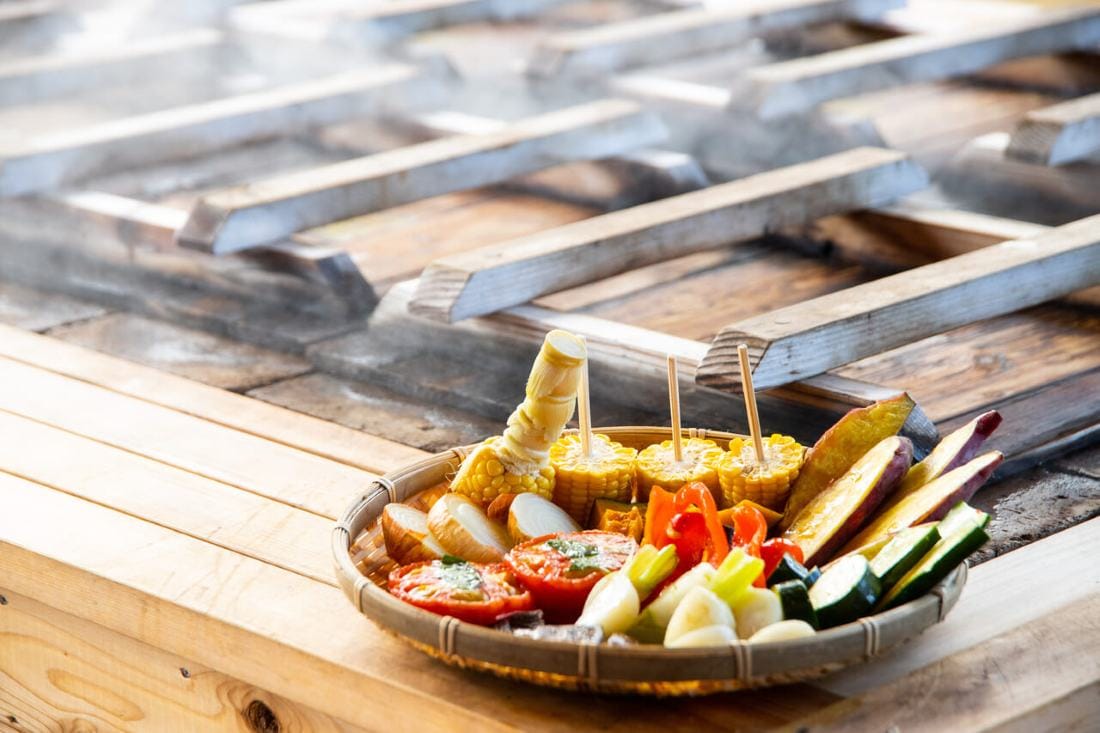
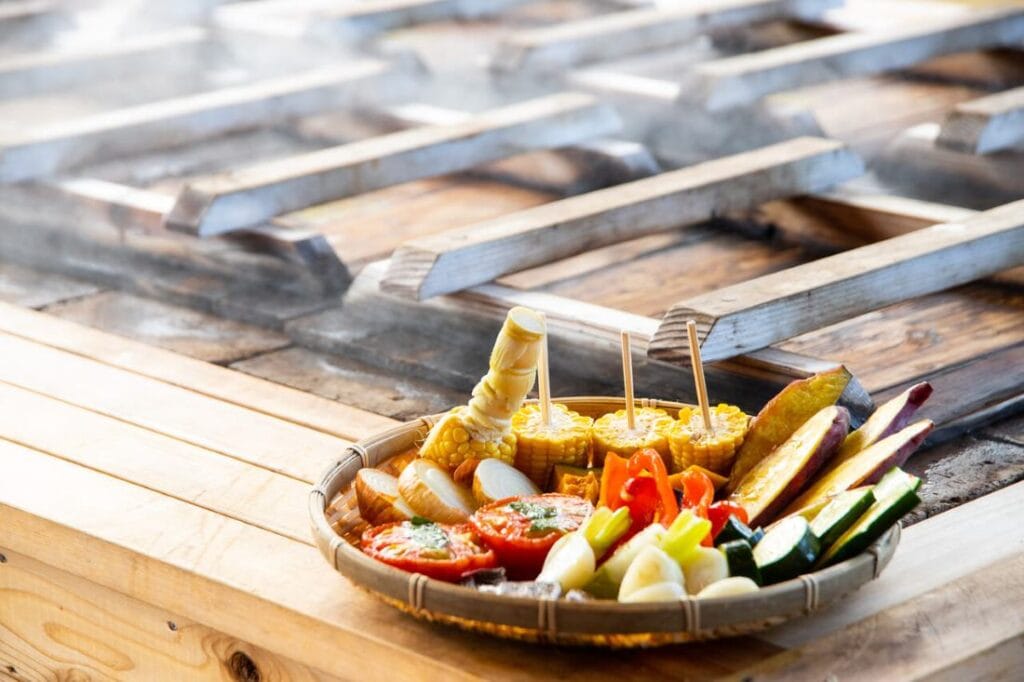
Jigoku Mushi is Beppu’s signature style of cooking, where natural hot spring steam is used to prepare food. Vegetables, seafood, eggs, and even sweets are placed in bamboo or wooden steamers set over geothermal vents, creating dishes that are simple, healthy, and full of natural flavour. The method has been part of local life for centuries, with steam kitchens across the city allowing visitors to try cooking their own meals. Visitors can try at many places in Beppu including Chinetsu Kanko Labo Enma (map), Jigokumushikobo Kannawa (map) and Hyotan Onsen.
Kannawa Steam Bath - discovered by a Buddhist monk in 1276, it is a rare traditional steam bath that uses sekisho, a fragrant Japanese herb spread across the floor. Similar in concept to a Finnish sauna, the naturally rising geothermal steam combined with the calming scent of the herbs relaxes both body and mind. Once common along clear mountain streams, the herb sekisho is now scarce, making Kannawa the only place in Japan where this centuries-old steam bathing tradition can still be experienced in its original form.
Evening:
Beppu is a safe and friendly city that is easy to explore after dark. Take a self-guided evening art installation walk and see Beppu’s creative side come to life, with softly lit artworks, steam rising from the streets, and onsen culture creating a unique night-time atmosphere that feels both lively and relaxed.continuing to Yanagawa, a charming canal town known for its traditional atmosphere.
In Yanagawa, enjoy a leisurely river cruise through historic waterways lined with old merchant houses.
This unique experience offers a nostalgic glimpse into traditional Japan and is exclusive to this region.
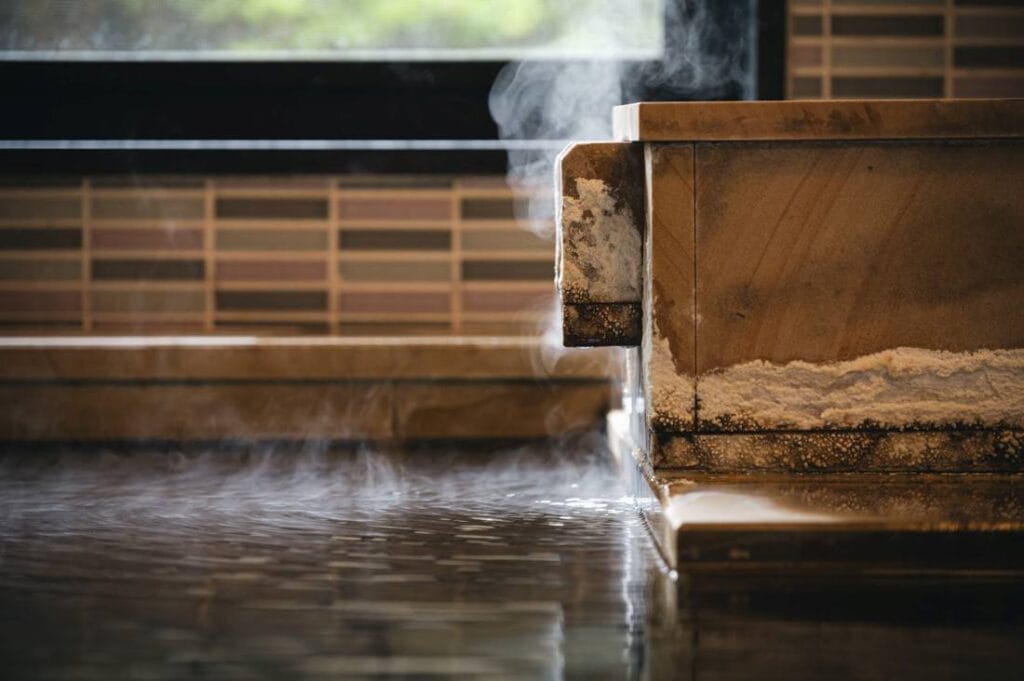
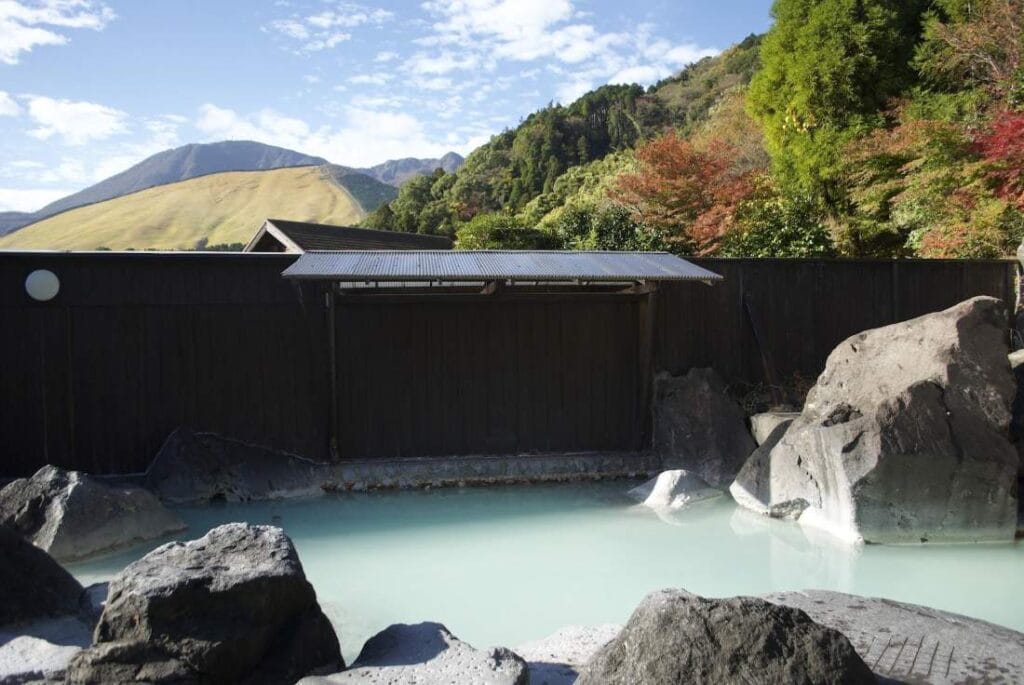
For an authentic local experience, enjoy an early-morning soak at one of Beppu’s neighbourhood onsen. Suggestions include:
Takegawara Onsen - Beppu’s most historic local onsen, known for its elegant wooden architecture and traditional hot spring experience, including both indoor baths and sand bathing. Open from 06:30.
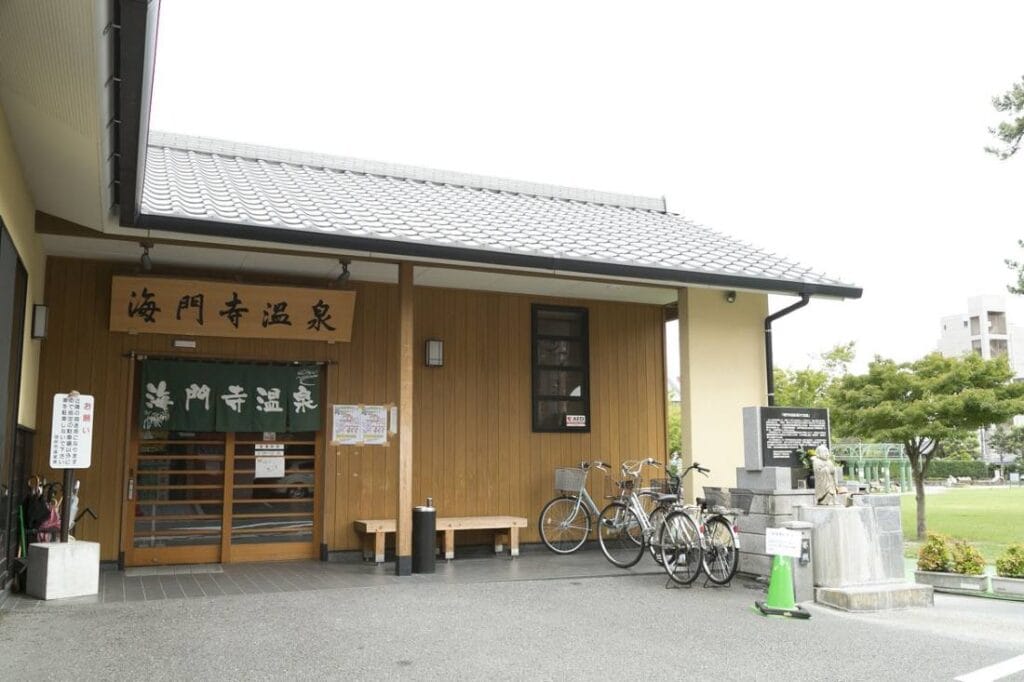
Kaimonji Onsen - formerly known as Kaimonji Park Onsen. It is loved not only by local residents but also by visitors. The current facility reopened in February 2010 after renovations, is fully accessible. Its exterior harmonises with the adjacent Kaimonji Park, creating a calm, traditional Japanese atmosphere. Inside, there are two types of baths — atsu-yu (hot bath) and nuru-yu (lukewarm bath). Open from 06:30.
Furosen Onsen - hidden in a maze of retro shopping streets and quiet alleys stands the white and black traditional building of one of Beppu’s most appreciated onsen, Furosen. Established in the Meiji period (1868 – 1912), this onsen soon became a favourite among locals and continued to win the hearts of many throughout the years. Open from 06:30.
Craft lovers can spend the morning exploring Beppu’s Traditional Bamboo Craft Centre (and even take a Bamboo Crafting workshop). For nature lovers, a trip to the top of Mt Tsurumi (via Beppu Ropeway) is a must.
After lunch continue your journey to Yufuin- A stylish hot spring town where mountain scenery, creative flair and elegant ryokan come together to create one of Japan’s most refined and atmospheric rural escapes.
Travelling by bus is the most direct and quickest option or local train.
Accommodation in Yufuin is centred almost entirely around traditional ryokan.
Allow 1–2 hours to wander along Yufuin’s Yunotsubo Kaido, a charming street lined with cafés, galleries and local boutiques, all set against the backdrop of Mt Yufu. Stop at Lake Kinrin to watch the mist drift across the water, before retreating to your ryokan, where private onsen baths and beautifully prepared seasonal cuisine create a deeply relaxing escape.
(TIP:For active travellers, stay two nights in Yufuin and spend one day hiking Mt Yufu.)

Travel by local train from Yufuin towards Fukuoka, stopping at Hita Station to explore the town’s historic Mameda-machi district. Services operate approximately hourly and the travel time from Yufuin to Hita is one hour. At Hita Station, coin-operated lockers are available for luggage storage
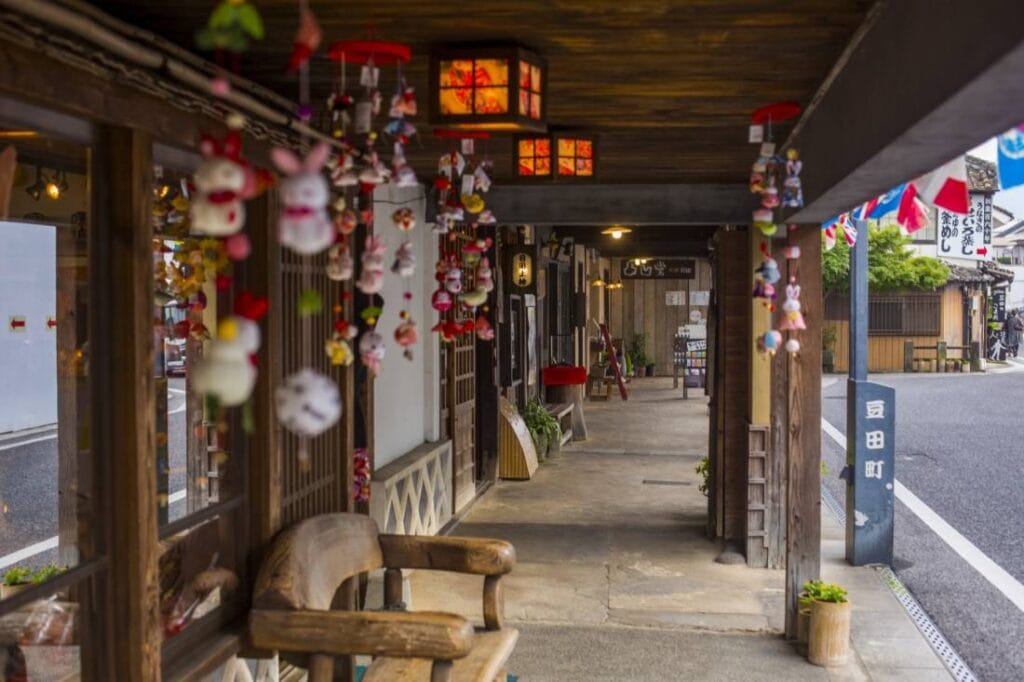
Hita is a beautifully preserved riverside town that flourished during the Edo period as a territory directly governed by the shogunate, a legacy still visible today in the elegant merchant houses and narrow streets of Mameda-machi , often called the “Little Kyoto of Kyushu.” Strolling the historic quarter feels like stepping back in time, with traditional shops, sake breweries and calm waterways setting the pace of the day.
Hita is also famous for its geta (wooden sandals), still handmade by local artisans using cedar and paulownia, with workshops you can visit to watch the process and purchase a pair directly from the makers.
Return to the station to collect your luggage and take a train to Fukuoka City(1 hr 20 mins). Or, walk to Hita Bus Terminal and take a bus to Hakata Bus.